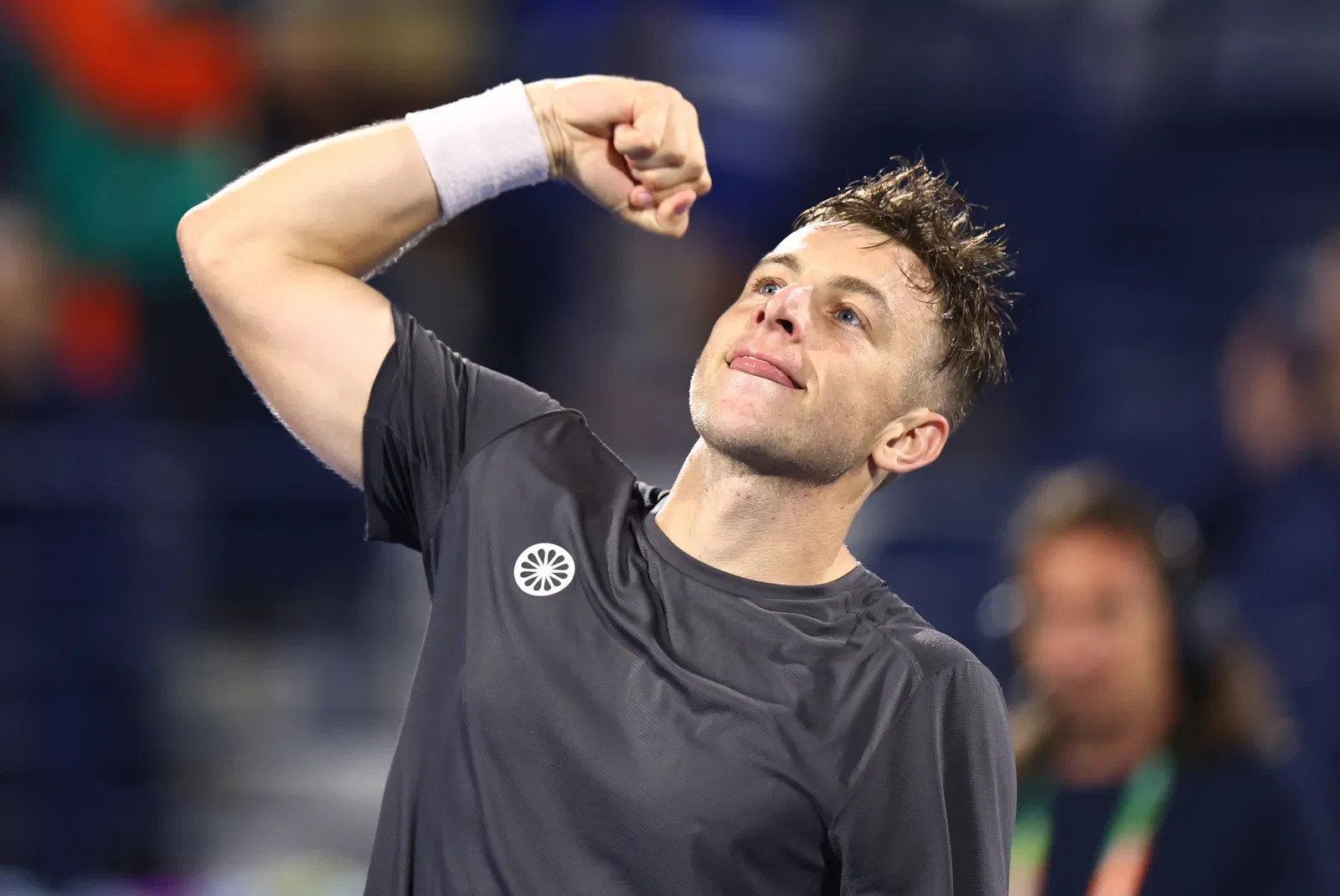
The Heartbreaking Decision: Griekspoor Pulls Out of Dubai Final
In a dramatic turn of events that left tennis fans and pundits alike holding their breath, Dutch sensation Tallon Griekspoor was forced to make the agonizing decision to withdraw from the final of the Dubai Duty Free Tennis Championships. The highly anticipated ATP singles final, set to pit Griekspoor against the formidable Daniil Medvedev, was effectively curtailed before a ball could even be struck, as a debilitating injury made it impossible for the Dutchman to compete. The news that Griekspoor withdraws Dubai sent ripples through the tennis community, highlighting the brutal physical demands of professional sport and the difficult choices athletes face when pushing their bodies to the limit.
A Gutsy Semifinal Battle: Signs of Trouble Against Rublev
Griekspoor's journey to the Dubai final had been nothing short of remarkable. He had showcased an impressive display of power and precision throughout the tournament, overcoming several tough opponents to reach his career-biggest final. However, the signs of trouble became starkly apparent during his semifinal clash against fellow Russian, Andrey Rublev. What began as a fiercely contested match soon devolved into a visible struggle for Griekspoor.
Eyewitnesses and television viewers noted a marked change in Griekspoor’s movement in the latter stages of the semifinal. He was visibly limping, struggling with every step, and at times, appeared to be barely able to walk between points. Despite this clear physical handicap, the Dutchman displayed immense grit and determination, pushing through the pain to somehow secure a hard-fought victory. This heroic effort, while admirable, undoubtedly came at a significant cost to his already compromised physique. The sheer will to win propelled him across the finish line, but the aftermath suggested a deeper issue. It was clear even then that the prospect of Griekspoor withdrawing from Dubai was a distinct possibility, raising questions about his readiness for the final just hours away.
The intensity of professional tennis, especially at the ATP 500 level, demands peak physical condition. Players are constantly battling not just their opponents, but also the relentless wear and tear on their bodies. Griekspoor’s performance against Rublev, while inspiring, served as a stark reminder of this reality, showcasing a player running on fumes and sheer willpower.
The Difficult Choice: Prioritizing Health Over Glory
Following his grueling semifinal, Griekspoor underwent medical evaluations, and the prognosis was unfortunately clear. The pain and limited mobility he experienced during the match had not subsided; in fact, they worsened. Confronted with the prospect of aggravating a serious injury and potentially jeopardizing his entire season, Griekspoor made the difficult, yet ultimately sensible, decision to pull out. This meant that Griekspoor withdrew from the Dubai final, ceding the title to Medvedev via walkover.
For any athlete, withdrawing from a final, especially one of this magnitude, is an incredibly painful experience. It represents the culmination of weeks of training, intense competition, and the realization of a dream to compete for a significant title. The emotional toll of such a decision cannot be overstated. Griekspoor himself acknowledged the profound disappointment, stating he could "barely walk" and that continuing would have been irresponsible. His candour resonated with fans who appreciated his honesty and commitment to long-term health over short-term glory. This pivotal moment underscores the ever-present dilemma professional athletes face:
- Pushing the limits: How far can one push through pain without causing irreparable damage?
- Long-term career vs. immediate success: Is a single title worth risking an entire season or even a career?
- Responsibility to the body: The importance of listening to medical advice and one's own physical signals.
The choice to withdraw, though heartbreaking, is a testament to an athlete's maturity and understanding of the bigger picture. It's a pragmatic decision made under immense pressure, recognizing that health is the most valuable asset in a demanding sport like tennis. For more details on the immediate impact, you can read about Griekspoor Withdraws From Dubai Final Against Medvedev.
The Ripple Effect: What This Means for the Tour and Medvedev
The news that Griekspoor withdrew from Dubai had immediate consequences, most notably for his opponent, Daniil Medvedev. The former world No. 1 was awarded the title via walkover, marking a somewhat anticlimactic end to his dominant run in the tournament. While a title is a title, winning it without playing the final often leaves a slightly bittersweet taste, even for the victor. Medvedev, known for his competitive spirit, would undoubtedly have preferred to earn the trophy on court. However, it also means he conserved energy, which could be beneficial for his upcoming schedule.
For the tournament organizers, a final ending in a walkover is always a disappointment, especially after such an exciting week of tennis. Fans, who had eagerly awaited a showdown between two of the tour's most exciting talents, were also denied the spectacle. Yet, the integrity of player welfare remains paramount, and such decisions, while regrettable, are understood to be necessary.
Beyond the immediate implications, Griekspoor's withdrawal opens up broader discussions within the tennis world regarding player schedules, physical conditioning, and injury prevention. The ATP Tour is rigorous, with players often competing back-to-back weeks across different continents. This relentless schedule inevitably takes a toll, and Griekspoor's situation is a powerful reminder of the fine line athletes walk between peak performance and physical breakdown.
This event serves as a valuable case study for:
- Athlete load management: The need for players and their teams to carefully plan schedules and recovery periods.
- Early detection and intervention: The importance of medical teams in identifying and addressing potential issues before they escalate.
- Transparency with fans: Griekspoor's honest communication about his injury helped mitigate disappointment.
Understanding why such decisions are made is crucial for both players and fans. The details surrounding his injury and its impact are further explored in Injury Forces Tallon Griekspoor Out of Dubai Final.
Navigating the Road Ahead: Recovery and Resilience
For Tallon Griekspoor, the immediate future will undoubtedly focus on recovery and rehabilitation. The nature of his injury, which prevented him from even walking comfortably, suggests that it will require careful management. Professional athletes have access to world-class medical teams, physiotherapists, and trainers, all dedicated to facilitating a swift and complete return to competition. The recovery process will likely involve:
- Detailed diagnosis: Pinpointing the exact nature and extent of the injury.
- Rest and inflammation reduction: Allowing the affected area to heal.
- Targeted rehabilitation exercises: Strengthening the muscles around the injury and restoring mobility.
- Gradual return to training: Slowly reintroducing tennis-specific movements and match play.
This period of forced downtime, while frustrating, also offers an opportunity for mental reset and reflection. It allows Griekspoor to recharge, reassess his game, and come back stronger. The mental fortitude required to overcome such setbacks is just as crucial as the physical rehabilitation. Athletes who bounce back successfully often possess an incredible resilience and a clear long-term vision for their careers.
From a broader perspective, Griekspoor's experience reinforces critical lessons for all aspiring athletes and coaches:
- Listen to your body: Pain is a signal, not a weakness to be ignored. Pushing through severe pain often leads to worse outcomes.
- Prioritize recovery: Proper rest, nutrition, and recovery strategies are as important as training itself.
- Build a strong support team: Having trusted medical professionals, coaches, and agents is vital for making informed decisions.
- Balance ambition with caution: While competitive drive is essential, it must be tempered with a pragmatic approach to physical limitations.
The tennis world will be eagerly watching Griekspoor's return, hoping to see him back on court soon, fully fit and ready to continue his impressive trajectory. His resilience in the face of this setback will be a testament to his character as much as his talent.
Conclusion
Tallon Griekspoor's withdrawal from the Dubai final, while a major disappointment for everyone involved, underscores the brutal realities of professional tennis. His courageous fight in the semifinal against Rublev, despite being barely able to walk, highlighted his immense spirit, but ultimately led to an unavoidable decision to prioritize his long-term health. The incident serves as a poignant reminder of the relentless physical demands placed on elite athletes and the wisdom in making tough choices for a sustainable career. While the Griekspoor withdraws Dubai news was disheartening, it paves the way for a focused recovery and, hopefully, an even stronger return to the ATP Tour. The tennis world will undoubtedly support him as he navigates the road to full fitness, eager to see the Dutchman back competing at the highest level.