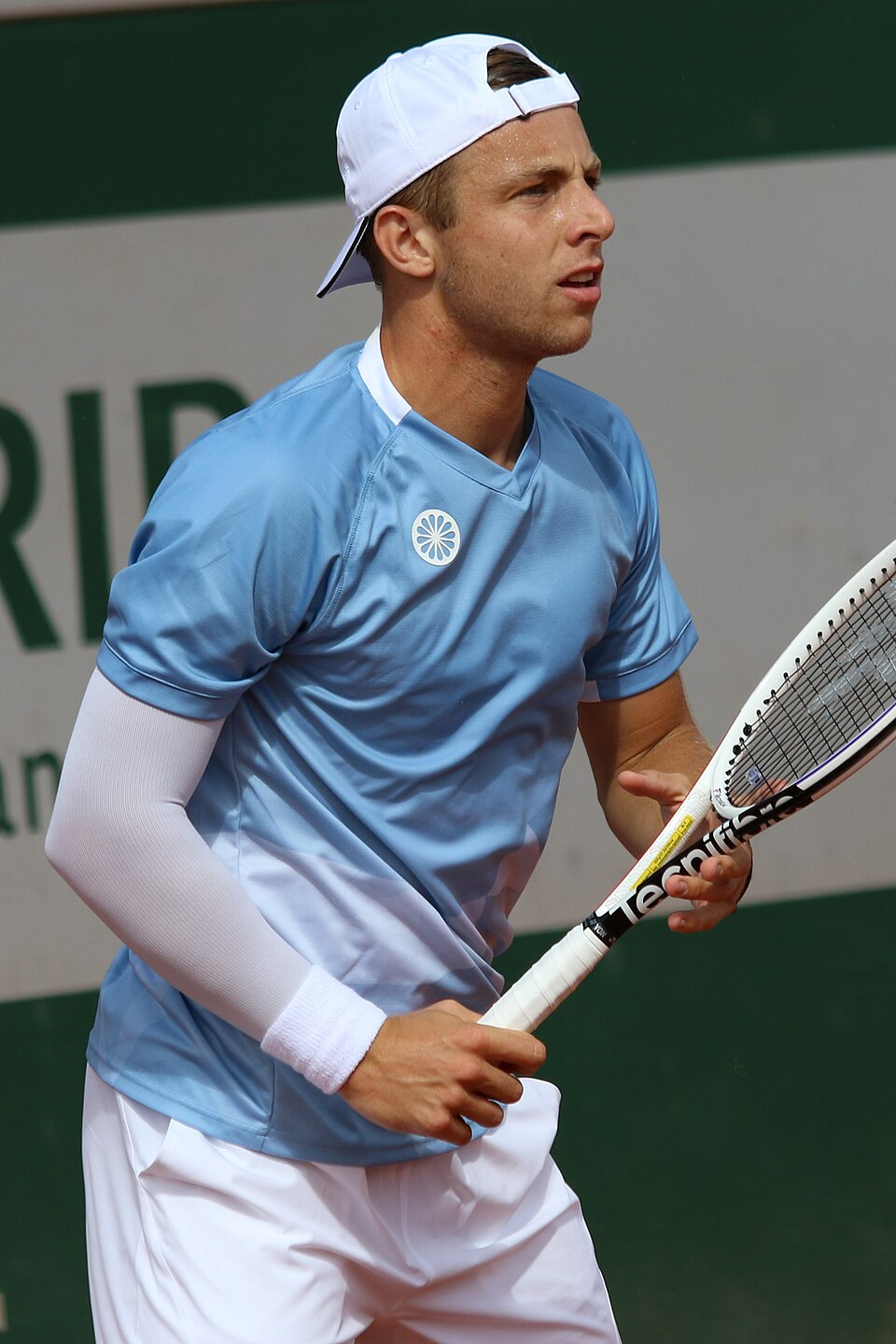
Injury Forces Tallon Griekspoor Out of Dubai Final: A Tough Call for Player Well-being
In a dramatic turn of events that sent ripples through the professional tennis world, Dutch star Tallon Griekspoor was forced to withdraw from the highly anticipated Dubai Duty Free Tennis Championships ATP singles final. The decision, announced just hours before his scheduled clash with world number one Daniil Medvedev, was a devastating blow for Griekspoor, who had battled through a grueling week to reach his first ATP 500 final. His withdrawal underscores the immense physical demands of elite tennis and the difficult choices athletes often face between glory and long-term health.
The writing, for those closely following the tournament, had perhaps been on the wall. Griekspoor's semifinal victory over fellow top-20 player Andrey Rublev, a match hailed for its intensity and dramatic swings, came at a significant physical cost. Throughout that arduous encounter, Griekspoor was visibly struggling, his movement hampered by an undisclosed injury. Spectators and commentators alike noted his discomfort, with reports confirming he was "limping into the final" and "struggling to walk" even off-court.
The severity of his condition became starkly clear when the player himself later admitted he "could barely walk" in the hours following his semifinal triumph. This admission painted a vivid picture of the pain and distress he was enduring, making the decision to withdraw, however heartbreaking, an almost inevitable one. This unfortunate turn of events meant Daniil Medvedev was handed a walkover victory, securing the Dubai title without stepping onto the court for the final match.
The Agonizing Decision: When Health Must Trump Glory
For any professional athlete, reaching a final, especially at an ATP 500 level tournament like Dubai, represents the culmination of immense effort, sacrifice, and talent. The opportunity to compete for such a prestigious title, against a player of Daniil Medvedev's caliber, is a dream for many. For Tallon Griekspoor, who has steadily climbed the rankings, this was a golden chance to stamp his authority and secure a career-defining moment. Yet, as the hours ticked down to the final, the undeniable reality of his physical state loomed larger than the potential glory.
The semi-final against Andrey Rublev was a testament to Griekspoor's fighting spirit. Despite visible signs of distress, he pushed through, showcasing incredible mental fortitude to secure a hard-fought win. However, the adrenaline and determination that carried him through that match could not mask the underlying injury. Reports of him "limping" and "struggling to walk" were not exaggerations; they were accurate descriptions of a body pushed beyond its immediate limits. His honest admission of "barely walking" cemented the grim picture.
The decision to pull out of such a significant final is never taken lightly. It involves consultations with medical staff, coaches, and his team, weighing the risks of aggravating the injury against the desire to compete. The immediate rewards—prize money, ranking points, and the prestige of an ATP 500 title—are immense. However, the long-term consequences of pushing through a significant injury can be career-threatening. Sustaining further damage could lead to extended periods off-court, requiring surgery and a grueling rehabilitation process that can set a player back for months, if not years.
In this context, the withdrawal, though heartbreaking, becomes a commendable act of prioritizing long-term health and career longevity. It's a testament to the wisdom of his team and Griekspoor himself, recognizing that some battles, however tempting, are not worth fighting at the expense of one's body. The immediate pain of missing the final is undoubtedly profound, but preserving his health ensures he will have many more opportunities to compete for titles in the future. For more details on the immediate impact, you can read about how Griekspoor Withdraws From Dubai Final Against Medvedev.
A Missed Opportunity and the Road to Recovery
Tallon Griekspoor's withdrawal means he missed out on a significant opportunity. An ATP 500 final is a major platform, offering substantial ranking points that could have propelled him closer to the top 20 and beyond. The prize money associated with a final appearance, especially a winner's share, is also a considerable factor. Beyond the tangible rewards, the experience of competing against a world number one in a championship match provides invaluable learning and confidence. These are all elements that Griekspoor will undoubtedly reflect upon with a sense of disappointment, yet also with the understanding that his decision was necessary.
For Daniil Medvedev, the outcome was an unexpected walkover, granting him the Dubai title without the physical exertion of a final match. While not the way any champion prefers to win, it doesn't diminish his incredible run through the tournament leading up to the final. For Griekspoor, the focus now shifts entirely to recovery. The exact nature of his injury hasn't been fully disclosed, but the visible limping and his struggle to walk suggest an issue with his lower body, potentially a muscle strain, ligament issue, or even a bone stress reaction.
The recovery process for elite athletes is multifaceted, involving:
- Accurate Diagnosis: Immediate medical evaluation using imaging (MRI, X-ray) to pinpoint the exact nature and extent of the injury.
- Rest and Immobilization: Depending on the injury, complete rest or temporary immobilization might be necessary to prevent further damage and allow initial healing.
- Rehabilitation Program: A tailored program designed by physiotherapists, focusing on reducing pain and inflammation, restoring range of motion, strengthening affected muscles, and gradually reintroducing sport-specific movements.
- Cross-Training: Engaging in activities that maintain cardiovascular fitness and strength in unaffected body parts without stressing the injury.
- Mental Toughness: Dealing with the frustration and impatience that often accompany injury. A strong support system and mental conditioning are crucial.
Patience will be key for Griekspoor. Rushing back too soon could lead to re-injury or the development of compensatory issues elsewhere in the body. His team will prioritize a full and complete recovery to ensure he returns to the court stronger and healthier, ready to tackle the rest of the season. The circumstances highlight how vital it is for players to listen to their bodies, a lesson powerfully demonstrated by this unfortunate turn of events where Barely Walking: Griekspoor Pulls Out of Dubai Final.
The Broader Impact: Player Health in Professional Tennis
Tallon Griekspoor's withdrawal from the Dubai final is not an isolated incident but rather a stark reminder of the pervasive issue of player injuries in professional tennis. The ATP and WTA tours are incredibly demanding, featuring grueling schedules that span nearly eleven months of the year, often requiring players to travel across continents and adapt to different surfaces and time zones. The relentless nature of competition, combined with the explosive, high-impact movements required in modern tennis, places immense stress on the athletes' bodies.
Common injuries in tennis include:
- Lower Body: Ankle sprains, knee issues (tendinitis, meniscal tears), hip problems, hamstring strains, and foot injuries. The constant stopping, starting, and changing direction on hard courts, in particular, takes a toll.
- Upper Body: Shoulder tendinitis, rotator cuff injuries, elbow issues (tennis elbow), and wrist problems, often stemming from repetitive serving and powerful groundstrokes.
- Back: Lower back pain and stress fractures are prevalent due to the rotational forces involved in almost every shot.
The pressure on players to perform, maintain rankings, and earn prize money is immense. This often leads to situations where athletes push through minor ailments, which can then escalate into more serious injuries. Tournament organizers, too, face the challenge of balancing player welfare with the desire to showcase top talent, a dilemma that occasionally leads to questions about scheduling and court conditions.
For the sport to thrive, a continued emphasis on player health and preventative measures is crucial. This includes:
- Advanced Conditioning: Tailored strength and conditioning programs focusing on injury prevention, flexibility, and core stability.
- Load Management: Smart scheduling and recovery protocols to prevent overtraining and burnout.
- Nutritional Support: Optimal diet and hydration to support recovery and reduce inflammation.
- Sports Science Integration: Utilizing data from wearable tech and performance analysis to monitor physical stress and recovery metrics.
- Education: Empowering players to understand their bodies better and make informed decisions about playing through pain.
Griekspoor's unfortunate exit in Dubai serves as a poignant case study, highlighting the precarious balance players must maintain between competitive drive and physical preservation. Every time a player like `griekspoor withdraws dubai`, it sends a message about the intensity and physical toll of professional tennis.
What's Next for Tallon Griekspoor?
While the immediate future involves rest and recovery, Tallon Griekspoor will undoubtedly be looking ahead to his return to the ATP Tour. The mental game during injury rehabilitation is as crucial as the physical one. Athletes often battle frustration, doubt, and the fear of not returning to their previous level. A strong support network of coaches, physiotherapists, and mental performance specialists will be vital in guiding him through this period.
Griekspoor has demonstrated his resilience throughout his career, steadily improving and breaking into the upper echelons of the sport. This setback, while significant, should be viewed as a temporary pause. His team will carefully plan his comeback, ensuring he doesn't rush his return. The goal will be to re-enter competition when he is 100% fit and confident in his body, rather than aiming for a specific tournament date. Depending on the severity of the injury, this could mean missing several weeks or even a few months of the tour.
Upon his return, Griekspoor will aim to regain his match fitness, timing, and confidence. He has shown he has the game to compete with and beat the best, evidenced by his run to the Dubai final and his strong start to the season. This period of forced rest could even, paradoxically, allow him to address any other minor niggles and come back feeling refreshed and re-energized. The Dutch talent has a bright future, and this incident, though unfortunate, is likely just a bump in what promises to be a successful career.
Tallon Griekspoor's withdrawal from the Dubai final against Daniil Medvedev is a disappointing but ultimately necessary decision that prioritizes his long-term health over immediate glory. His visible struggle during the semifinal and subsequent admission of barely being able to walk underscored the severity of his injury. This incident serves as a powerful reminder of the physical sacrifices and challenges faced by professional tennis players. As Griekspoor embarks on his recovery journey, the tennis world will be eagerly awaiting his return, hoping he comes back stronger and healthier, ready to continue his ascent in the sport. His commitment to his well-being sets an important example for athletes everywhere.