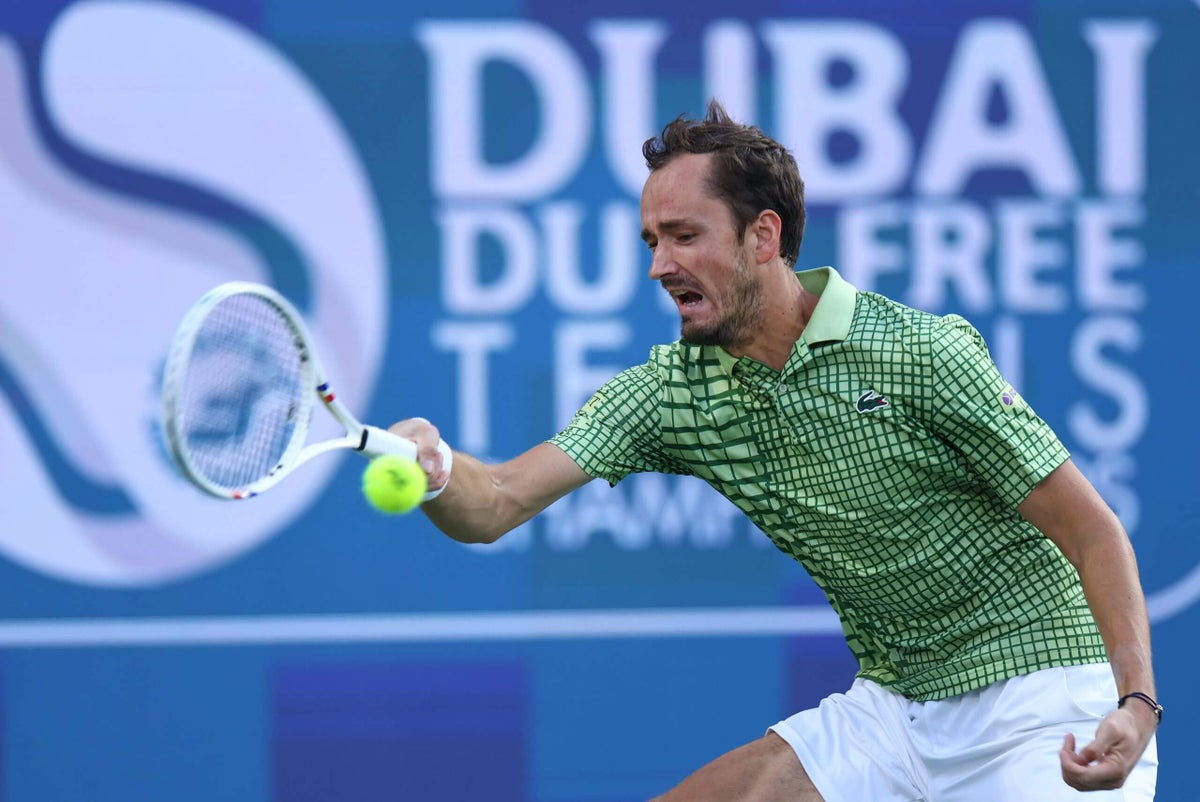
Griekspoor's Agonizing Decision: Withdrawal from Dubai Final Against Medvedev
In a dramatic and disheartening turn for tennis fans and players alike, Dutch sensation Tallon Griekspoor was forced to withdraw from the Dubai Duty Free Tennis Championships ATP singles final. The eagerly anticipated showdown, set for Saturday, would have pitted him against the formidable Daniil Medvedev. This unfortunate announcement cast a shadow over what had been a remarkable week for Griekspoor, highlighting the brutal physical demands of professional tennis and the tough decisions athletes must sometimes make in the face of injury. The news that Griekspoor withdraws Dubai from the final came after visible struggles on court during his semifinal match, leaving many to wonder about the extent of his physical discomfort.
For weeks, the Dubai Duty Free Tennis Championships had been a showcase of incredible talent and thrilling matches, building up to a climax that promised a gripping final. Tallon Griekspoor, having navigated a challenging draw with impressive determination and skill, had earned his spot in what would have been one of the biggest matches of his career. His journey to the final had captivated audiences, establishing him as a rising force on the ATP Tour. However, the dream final against a top-tier opponent like Medvedev would sadly not come to pass, as his body ultimately said no.
The Unfortunate Turn of Events in Dubai's Premier Final
The stage was set for a compelling clash of styles: the powerful, all-court game of Tallon Griekspoor against the tactical brilliance and defensive prowess of Daniil Medvedev. Medvedev, a former world No. 1 and Grand Slam champion, was in superb form, dispatching opponents with his trademark consistency and strategic depth. Griekspoor, on the other hand, had battled through grueling matches, demonstrating resilience and an aggressive style that had seen him overcome higher-ranked players. This contrast promised a spectacle that fans were eager to witness.
However, cracks in Griekspoor’s physical condition began to show during his epic semifinal encounter against Russian powerhouse Andrey Rublev. Despite his valiant efforts, it became increasingly apparent that he was struggling with a physical ailment. Witnesses noted him moving with discomfort, limping between points and visibly struggling to maintain his usual agility. While he managed to push through and secure a hard-fought victory, the toll taken on his body was clear. The subsequent decision that Griekspoor withdraws Dubai from the final was, therefore, not entirely unexpected, though deeply disappointing for everyone involved.
The withdrawal underscores a critical aspect of professional tennis: the fine line between pushing through pain and risking long-term damage. For a player like Griekspoor, reaching an ATP 500 final is a significant milestone, offering valuable ranking points, prize money, and invaluable experience. To step away from such an opportunity speaks volumes about the severity of his injury and the advice he must have received from his medical team. It's a testament to his professionalism that he prioritized his long-term health over the immediate glory, albeit a painful choice.
The Toll of the Semifinal: Barely Walking into the Final
The semifinal match against Andrey Rublev was a testament to Griekspoor's fighting spirit, but it ultimately came at a significant cost. Reports from the court and his own admissions painted a stark picture of his physical state. He was described as "limping into the final," a phrase that immediately conjures images of an athlete pushing beyond their limits. His own words later confirmed the extent of his discomfort, revealing he "could barely walk" in the hours leading up to the final. This level of pain and restricted movement makes competitive tennis not just difficult, but frankly impossible at an elite level.
The rigorous schedule of an ATP tournament, especially at the ATP 500 level, demands peak physical condition from start to finish. Playing multiple high-intensity matches over several days, often against top-ranked opponents, can expose even the fittest athletes to injury. For Griekspoor, the cumulative stress on his body, perhaps exacerbated by a pre-existing niggle or an acute injury sustained during the Rublev match, proved too much. The decision to withdraw was undoubtedly agonizing, especially given the monumental opportunity to compete for a major title and ascend further in the world rankings.
For any athlete, the prospect of withdrawing from a final is heartbreaking. It signifies the end of a remarkable run under the most unfortunate circumstances. Beyond the immediate disappointment, such injuries can have broader implications for a player's season, affecting their confidence, future tournament entries, and even their long-term career trajectory. Fans empathized deeply with Griekspoor, recognizing the immense mental fortitude it takes to make such a difficult call, prioritizing future health over a potentially heroic but damaging attempt to play through severe pain.
Daniil Medvedev: A Walkover Victory and Future Implications
With Tallon Griekspoor's withdrawal, Daniil Medvedev was handed a walkover victory, securing the Dubai Duty Free Tennis Championships title without striking a ball in the final. While a title is a title, victory by walkover is undoubtedly a bittersweet experience for any competitor. Athletes thrive on competition, and the satisfaction of earning a title through a hard-fought final is unparalleled. Nevertheless, the victory adds another significant trophy to Medvedev's impressive collection, further solidifying his position as one of the sport's elite.
For Medvedev, this walkover victory still holds considerable significance. It boosts his ATP ranking points, contributes to his overall win-loss record, and enhances his momentum as the season progresses. Having performed exceptionally well throughout the tournament, his dominance was undeniable. The extra rest, though unintended, could also prove beneficial for his physical recovery and preparation for upcoming events, allowing him to approach future challenges with renewed vigor. However, there's always a slight element of an anti-climax when a final doesn't take place as scheduled, denying both the players and the fans the expected showdown.
The implications extend beyond the immediate trophy. For a top player like Medvedev, consistent victories and titles contribute to crucial seeding positions in Grand Slams and other major tournaments. This unexpected win adds valuable currency to his season, even if the method was unconventional. It also subtly changes the narrative around the tournament's conclusion, shifting focus from a potential final battle to the unfortunate circumstances that led to its cancellation. While acknowledging the circumstances, Medvedev will undoubtedly look to build on this success in future tournaments.
The Broader Impact: Player Health and Tournament Dynamics
Tallon Griekspoor's withdrawal from the Dubai final is a stark reminder of the relentless physical demands placed on professional tennis players. The modern game, characterized by extreme athleticism, powerful groundstrokes, and grueling rallies, pushes athletes to their very limits. Consequently, injuries have become an increasingly common, and concerning, feature of the ATP and WTA Tours. This incident reignites important discussions about player welfare, tournament scheduling, and the balance between competitive drive and long-term health.
Prioritizing Health in Professional Tennis
- Listen to Your Body: Griekspoor's situation highlights the critical importance for athletes to genuinely listen to their bodies. Pushing through minor discomfort can often escalate into a more severe, season-ending injury. Recognizing the early signs of fatigue or pain and addressing them proactively is paramount.
- Strategic Scheduling: Both players and governing bodies need to consider more strategic scheduling. Back-to-back tournaments, often across different continents and surfaces, can be incredibly taxing. More emphasis on adequate rest periods and off-season recovery is vital to prevent burnout and reduce injury risk.
- The Role of Sports Medicine: Access to elite sports medicine, physiotherapy, and recovery protocols is non-negotiable for professional athletes. Comprehensive pre-tournament screenings and immediate post-match evaluations can help detect and mitigate potential issues before they become debilitating.
- Mental Toughness vs. Physical Risk: There's a fine line between admirable mental toughness – playing through adversity – and reckless disregard for physical well-being. Coaches and support teams play a crucial role in helping players navigate this balance, ensuring that the pursuit of victory doesn't jeopardize a player's career.
The impact of withdrawals on tournament dynamics is also significant. While organizers can't control player injuries, a high-profile withdrawal from a final is naturally disappointing for ticket holders, broadcasters, and sponsors. It can diminish the spectacle and impact the overall fan experience. However, the integrity of the sport demands that players only compete when fit to do so, upholding the highest standards of athletic performance.
Looking Ahead: Griekspoor's Road to Recovery
For Tallon Griekspoor, the immediate focus will undoubtedly be on diagnosis, treatment, and rehabilitation. The nature and severity of his injury will dictate his recovery timeline, but fans will be hoping for a swift return to the tour. A key aspect of recovery is not just physical healing but also mental recuperation. The disappointment of withdrawing from such a significant final can be emotionally taxing, requiring mental strength and a positive outlook during the rehabilitation process.
His impressive run in Dubai demonstrated his immense potential and fighting spirit, qualities that will serve him well in his comeback. The experience, though ending bittersweetly, will have undoubtedly taught him valuable lessons about his physical limits and the importance of long-term health management. Fans and fellow players alike will be rooting for his speedy and full recovery, eager to see him back on court, competing at the high level he displayed in Dubai. The tennis world awaits his return, confident that this setback is merely a temporary pause in what promises to be a very successful career.
In conclusion, Tallon Griekspoor's withdrawal from the Dubai final against Daniil Medvedev is a poignant reminder of the fragility of even the fittest athletes. While deeply disappointing for Griekspoor and fans, it underscores the paramount importance of player health in the demanding world of professional tennis. We extend our best wishes to Tallon for a speedy recovery and look forward to seeing him back on the court, healthy and competing at his best, continuing to thrill audiences with his exceptional talent.